The Chemistry of Paint Protection in Commercial Fleets
Original equipment manufacturer (OEM) commercial finishes are applied thinly to balance production speed and weight. Clear coats on modern commercial delivery vans and utility trucks typically measure between 30 and 45 microns. Constant exposure to ultraviolet radiation, harsh automated car washes, industrial pollution, and acidic insect juices progressively leaches plasticizers from the clear lacquer, leading to oxidation, dulling, and chalking.
Surface protection is not a cosmetic luxury reserved for showroom passenger cars. For commercial fleet operators, applying sacrificial hydrophobic barriers directly reduces washing time by up to 40%, decreases detergent consumption, and defends the metal substrate from premature corrosion perforation.
Comparing Modern Surface Protection Technologies
When specifying surface protection across dozens or hundreds of fleet units, decision-makers must evaluate application complexity, curing time, durability, and total lifecycle costs.
Protection Spectrum: Sealants vs. Ceramics vs. Graphene
| Technology | Expected Lifespan | Chemical Resistance (pH) | Curing Requirement | Recommended Application |
|---|---|---|---|---|
| Synthetic Fluoropolymer Sealants | 4–6 Months | pH 4 – pH 10 | Instant to 30 min | Routine bi-annual maintenance for regional parcel delivery vans |
| SiO2 Quartz Ceramic Coatings | 24–36 Months | pH 2 – pH 12 | 12–24 hours dry indoor bay | Long-haul prime movers, executive livery, high-value reefer units |
| Graphene / Polysilazane Hybrids | 36–48 Months | pH 2 – pH 13 | 24 hours thermal cure | Severe duty: maritime port transports, chemical tankers, mining fleets |
Protecting Commercial Vinyl Wraps & Lettering
The majority of modern commercial fleets carry printed polymeric or cast vinyl graphics. Polyvinyl chloride (PVC) films possess high plasticizer content that makes them vulnerable to UV discoloration and hardening. When vinyl dries out, removal at end-of-lease becomes exceptionally labor-intensive, requiring mechanical peeling and adhesive solvent scraping that damages OEM paint.
We recommend vinyl-specific ceramic formulations that bond directly to the microscopic pores of cast films without causing gloss variations or edge-lifting. These coatings seal the graphics against fuel drips near filler necks and soot staining on rear barn doors.
Application Workflow in Industrial Bays
Achieving long-term adhesion requires methodical surface preparation. A durable coating cannot bond effectively over traffic film or silicone glazes:
- Chemical Decontamination: Application of iron fall-out removers to extract embedded brake dust shards, followed by solvent spot-cleaning to dissolve highway tar.
- Mechanical Clay Decontamination: Ultra-fine synthetic clay sponges remove lingering industrial grit from windshields and bonnet surfaces.
- Single-Stage Paint Cleansing: A gentle rotary or dual-action machine polish cleans micro-oxidized layers without removing measurable clear coat thickness.
- Isopropanol Surface Prep: An isopropyl alcohol wipe strips polishing oils, leaving a completely bare, receptive surface for chemical bonding.
- Precision Application & Buffing: Section-by-section application using cross-hatch applicator blocks, followed by dual-microfiber leveling to eliminate high spots.
Fleet Protection Inspection Standards
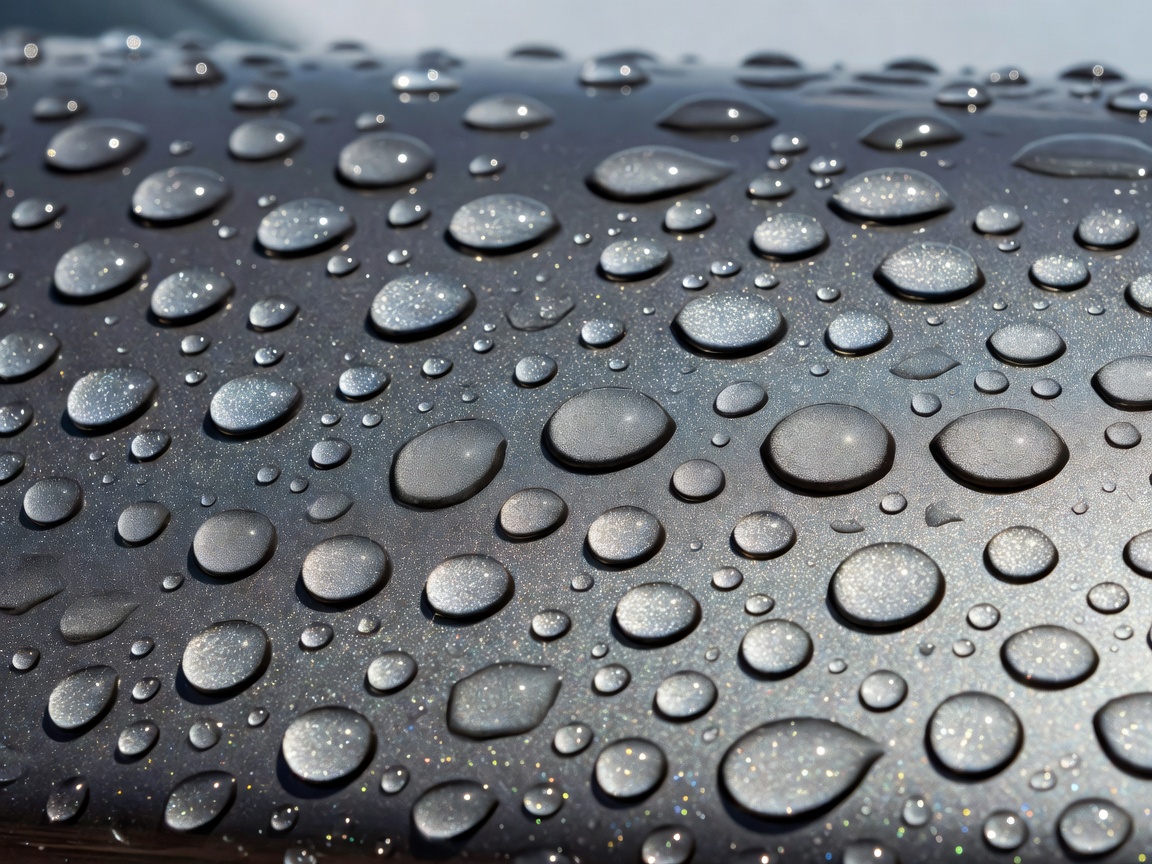
- Verify water contact angle (beading angle > 105 degrees) during quarterly quality audits.
- Inspect front bumper leading edges for stone chipping that penetrates into base primer.
- Ensure rear tailgates and bumper steps receive supplementary sacrificial sealant layers.
- Avoid aggressive automatic brush tunnels during the 14-day initial curing period post-coating.